

Carpal Tunnel Syndrome – Symptoms, Treatment & Keyhole Surgery Benefits
Carpal Tunnel Syndrome (CTS) is a common nerve condition caused by compression of the median nerve as it passes through the wrist. This nerve controls sensation in the thumb, index, middle fingers, as well control small muscles in the hand.
Symptoms to Watch Out For
You may have CTS if you experience:
- Tingling or numbness in the thumb, index, or middle fingers
- Night-time hand discomfort, tingling, or “pins and needles”
- Pain or tingling that worsens when using your hand
- Weak grip strength
While repetitive wrist use (causing thickening of palmar ligament and swelling of tendons) is a common cause, other health issues like diabetes, pregnancy, or gout can also increase your risk.
Why Early Diagnosis is Important
Not all hand numbness is CTS — it could be caused by nerve compression elsewhere, such as in the elbow or neck. On occasion, a growth in the palm can also cause compression of the nerve.
A hand specialist evaluation can confirm the diagnosis. The hand specialise may use nerve conduction studies or painless ultrasound evaluation to confirm the diagnosis.
Delaying treatment risks permanent nerve injury, which may cause irreversible numbness, weakness, and loss of fine motor skills.
Treatment Options
With the right treatment, most patients see symptom relief within 3 months. Mild cases may improve with splinting, activity changes, and anti-inflammatory medication.
If symptoms persist, or in more severe cases, surgery as a day procedure is recommended. Carpal tunnel surgery has a strong track record for safety and effectiveness. Most patients experience rapid symptom improvement.
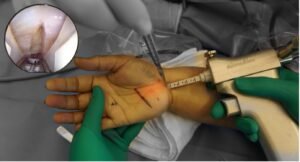
Figure 01: In the minimally invasive endoscopic technique, a special blade is introduced through a small incision in the wrist to safely cut the tight ligament (in circle; white)
Endoscopic “Keyhole” Carpal Tunnel Release
A modern and highly effective option is endoscopic carpal tunnel surgery:
- Small incision that avoids the sensitive central palm
- Earlier return to daily activities compared to traditional open surgery
- Minimal scarring and tenderness
By cutting the tight ligament through a tiny opening, pressure on the nerve is relieved, helping symptoms resolve faster.
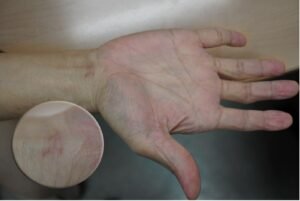
Figure 2: Two weeks after surgery, the wound is healed and the scar will gradually fade. Symptoms from nerve compression are fully resolved.
Can Both Hands with Carpal Tunnel Syndrome Be Treated at Once?
Commonly CTS affects both hands, and advancements in surgical technique enables simultaneous surgery:
- Save recovery time; limit downtime from work
- Reduce overall costs
- Limit the number of hospital visits
Frequently Asked Questions (FAQ) – About Carpal Tunnel Syndrome
Q1: How do I know if I have carpal tunnel syndrome?
A hand specialist can confirm it through a clinical exam and tests such as a nerve conduction study or ultrasound examination. Symptoms like numbness in the thumb, index, and middle fingers are classic signs
Q2: What happens if I delay treatment?
Prolonged nerve compression can cause permanent damage, leading to irreversible numbness, muscle loss, and reduced hand function.
Q3: Is endoscopic surgery better than open surgery?
Both are effective, but endoscopic “keyhole” surgery performed by an experienced surgeon uses a smaller incision, avoiding the tender area of the palm, and often allows a faster return to work and activities.
Q4: Can both hands be operated on at once?
Yes. If both hands have CTS, simultaneous surgery is possible and reduces your total downtime and costs. Our hand surgeon can advise whether this surgery suits your needs.
Q5: How long is recovery after carpal tunnel surgery?
Many patients notice improvement within days. With endoscopic surgery, wound care is simple and return to light activities is earlier compared to traditional methods.
Key Points to Remember
- Don’t ignore symptoms — early diagnosis prevents permanent damage.
- Endoscopic keyhole surgery offers smaller wounds, less pain, and quicker recovery.
- Carpal tunnel surgery is safe, effective, and associated with high patient satisfaction.
- Both hands can be treated together for efficiency.
If you have persistent numbness, tingling, or weakness in your hands, seek medical advice promptly. Early action protects your hand function and quality of life. Book your appointment with our hand specialist, Dr Kang Yong Chiang today.


